
🌿 MARGARETTA PIETERSE VAN NEST (1719–1790)
How One Woman’s Life Connects Personal Lineage to Early American History
🧬 INTRODUCTION: WHEN HISTORY BECOMES PERSONAL
History is often taught as something distant—wars, leaders, and timelines removed from everyday life. But for many families in America, history is not abstract. It is personal, traceable, and alive through lineage.
One such example is Margaretta Pieterse Van Nest, an 18th-century woman whose life reflects the transition from early Dutch colonial settlement to the expansion of American frontier communities.
Her story demonstrates a powerful truth:
The foundations of American history were built not only by famous figures, but by families whose descendants are still living today.
🌎 DUTCH ROOTS IN EARLY AMERICA
Margaretta was born in 1719 in what is now Somerset County, New Jersey, a region originally influenced by Dutch settlers from the earlier colony of New Netherland.
Her family belonged to a network of early colonial Dutch families, including:
- The Van Nest family (of Dutch origin, meaning “from Naarden” in the Netherlands)
- The DuBois family, also a well-documented Huguenot-Dutch lineage
These families were among those who helped establish stable agricultural communities in the northeastern colonies during the late 1600s and early 1700s.
🏡 COLONIAL LIFE: FAMILY, LAND, AND FAITH

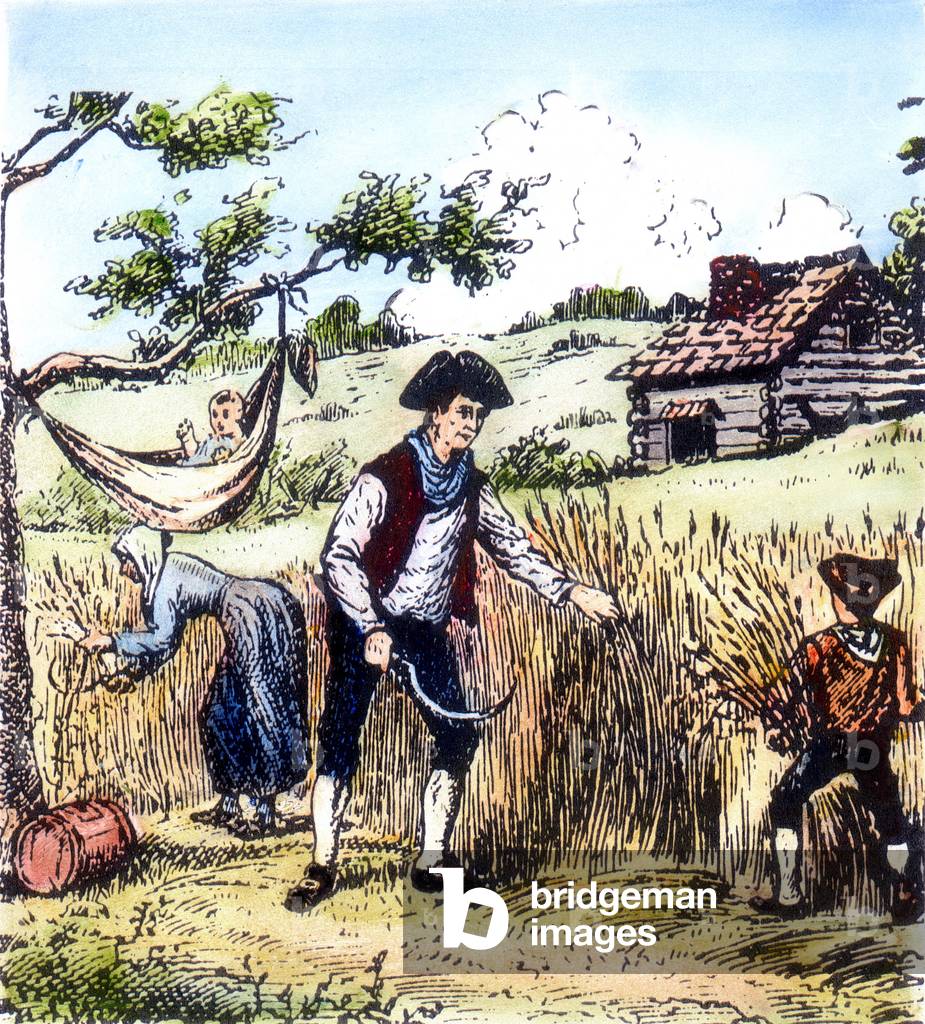

Margaretta’s life would have been shaped by three central pillars common to colonial society:
1. Land
Families lived and worked on land they depended on directly for survival. Property was not just ownership—it was livelihood, identity, and legacy.
2. Family
Large households were typical. Women like Margaretta were responsible for managing homes, raising children, preserving food, and contributing to agricultural labor.
3. Faith
The Dutch Reformed Church played a central role in daily life. Baptism records, marriage entries, and burial records often serve as the primary historical documentation of individuals from this era.
💍 MARRIAGE AND FAMILY CONNECTIONS
Margaretta married Francis (Frans) Cossart in 1739.
This union linked two established colonial families and contributed to a lineage that would continue for generations across multiple states.
Their descendants carried forward:
- Agricultural traditions
- Community roles
- Expanding settlement into new territories
Over time, the surname Cossart evolved into variations such as Cassat or Cassatt, reflecting common changes in spelling across generations.
🚚 WESTWARD MOVEMENT: A DEFINING MOMENT


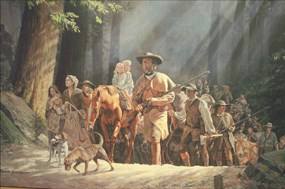
Around 1764, Margaretta and her family relocated from New Jersey to the Conewago Valley in Pennsylvania.
This move places her within a major historical pattern:
The Westward Expansion of Colonial Families
During the mid-18th century:
- Land in New Jersey became increasingly limited
- Families sought new opportunities inland
- Pennsylvania became a key destination for expansion
This migration was not easy. It required:
- Travel over undeveloped terrain
- Establishing new farms from raw land
- Building homes and communities from the ground up
Margaretta’s participation in this movement reflects the resilience and adaptability required of early American settlers.
🏠 A LASTING LEGACY: “COSSART’S DREAM”
A home associated with her family—known as “Cossart’s Dream”—was reportedly built around 1785 in Pennsylvania.
Structures like this represent more than architecture. They are:
- Physical evidence of early American settlement
- Markers of family continuity
- Rare surviving links to 18th-century life
📜 HISTORICAL CONTEXT: A LIFE BETWEEN ERAS
Margaretta lived during a transformative period in American history:
- Born under lingering Dutch cultural influence
- Lived under British colonial rule
- Witnessed the period leading up to the American Revolution
While there is no record of her direct involvement in political events, her life represents the civilian foundation upon which those events depended.
Families like hers:
- Produced food
- Raised future generations
- Sustained communities during uncertain times
🧭 LINEAGE AND HISTORICAL CONTINUITY
Margaretta Pieterse Van Nest is not only a historical figure—she is an example of how lineage connects individuals today to early American history.
Through documented genealogy, descendants can trace:
- Cultural heritage (Dutch, Huguenot, colonial American)
- Migration patterns across states
- The evolution of family names and identities
This continuity highlights an important perspective:
History is not separate from us—it is carried forward through families.
✨ WHY THIS MATTERS TODAY
Understanding figures like Margaretta helps shift how we view history:
1. It Humanizes the Past
History becomes more than events—it becomes people, families, and lived experiences.
2. It Grounds Identity
Knowing where one comes from can provide context for values, traditions, and perspectives.
3. It Preserves Legacy
Documenting lineage ensures that stories are not lost over time.
🌿 CONCLUSION
Margaretta Pieterse Van Nest represents a generation of women whose lives were not widely recorded, yet whose impact is undeniable.
Through her:
- We see the structure of early American society
- We understand the movement of families across the land
- We recognize that modern identity is often rooted in centuries-old lineage
Her story reminds us:
The history of a nation is, at its core, the history of its families.
And for those who descend from her, that history is not distant.
It is their own.
Does This Help® — Knowledge Is Power 💛

Leave a Reply