
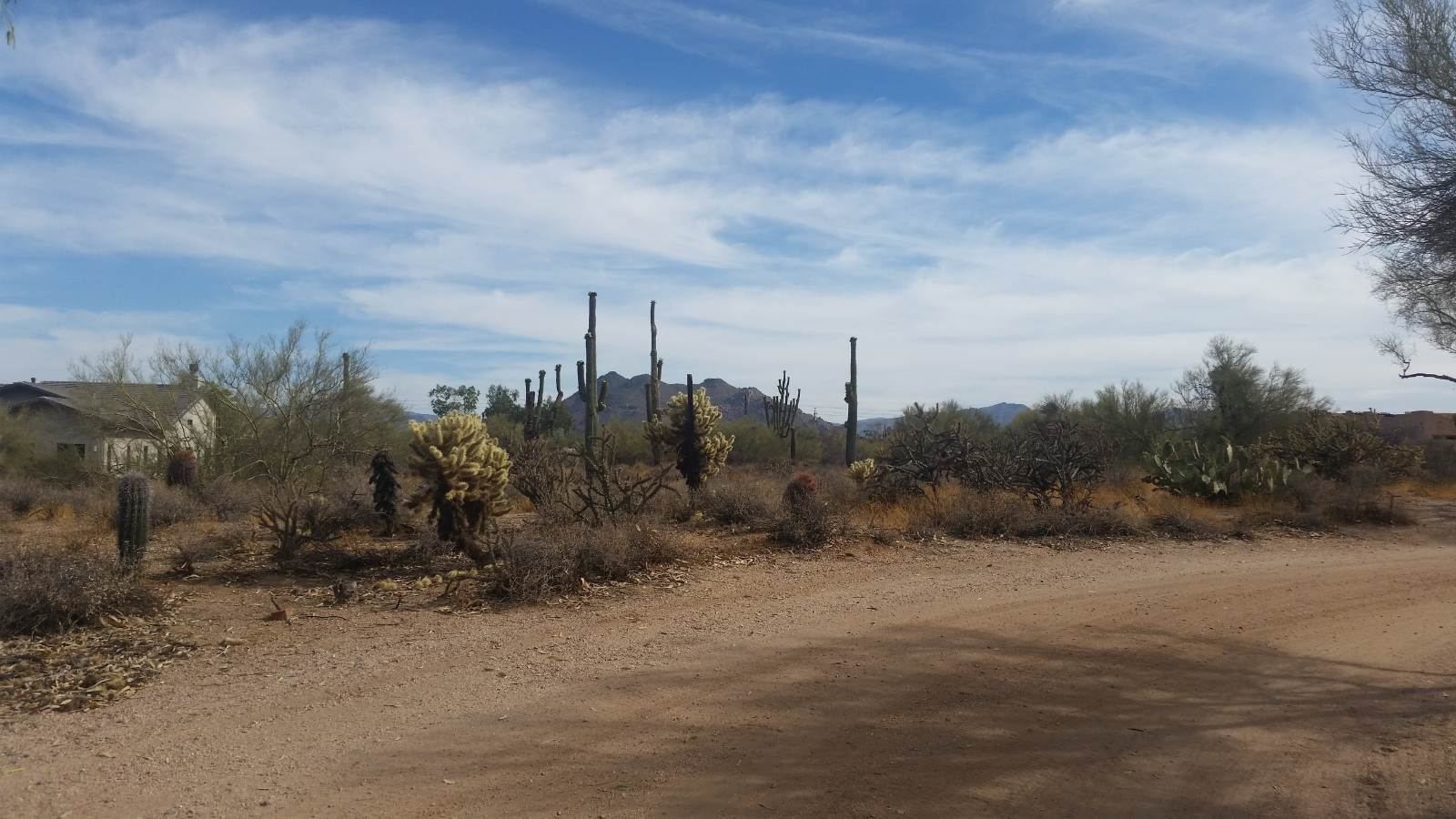
The Land Is Already Occupied
A Public Debate on Land Rights, Tribal Sovereignty, and the Living Sonoran Desert
MOTHER CREEKER @ CREEKER.site
To the United States Government, the Tohono O’odham Nation, Arizona landowners, and every American who calls this land home:
I challenge us to debate something greater than the removal of thousands of saguaros.
Who has the authority to disrupt an entire living ecosystem, and who is responsible for everything that disruption destroys?
I am a mother and a landowner in Cave Creek, Arizona. I have witnessed what happens when people alter a natural desert wash, disturb native vegetation, and treat the land as though nothing living there has a claim to its continued existence.
Now the Tohono O’odham Nation faces a federal border construction project threatening thousands of saguaros and the surrounding desert habitat.
Our legal circumstances are different, but our concerns intersect.
This Is Not Just About Cacti
It is about the water that flows through the washes, the soil that absorbs the rain, the roots that hold the earth, the birds that nest in the saguaros, the pollinators that visit their flowers, the creatures that depend upon their fruit, and the generations of life that have developed around them.
A single saguaro cactus can be moved. An entire ecological relationship cannot simply be picked up and transplanted.
Thousands of cacti are part of an interconnected desert community. Removing them affects far more than the individual plants.
The surrounding vegetation, wildlife, soil, and natural waterways all contribute to the survival of that community.
When a natural wash is filled, redirected, or obstructed, the consequences can extend far beyond the original construction site.
The destruction of a habitat cannot be measured by counting only the cacti removed.
My Challenge to the Federal Government
- Establish jurisdiction. Show us the exact boundaries of the land on which you claim construction authority.
- Respect tribal sovereignty. Explain how that authority interacts with tribal sovereignty, treaty rights, and existing property interests.
- Account for natural waterways. Identify the washes, drainage patterns, and watersheds affected by construction. Explain where the water will flow afterward.
- Protect the entire habitat. Account for wildlife, native vegetation, soil, and the ecological relationships surrounding the saguaros.
- Explain environmental waivers. Identify the laws being waived and explain what protections and oversight remain in place.
- Establish accountability. Identify who will be responsible for damage extending beyond the construction footprint, including erosion, flooding, habitat destruction, and changes to neighboring lands.
Federal Authority Does Not Eliminate Responsibility
The federal government has constitutional and statutory powers that private landowners do not possess. But those powers have legal boundaries, and their exercise can carry lasting consequences.
Federal authority is not the same thing as ecological wisdom.
I believe the Nation and neighboring Arizona landowners deserve transparent answers, meaningful consideration of their rights, and accountability for the consequences of construction.
A federal project and a private development may operate under different laws, but both can alter the same natural systems.
Water does not recognize a property line.
Wildlife does not stop at a survey marker.
Roots do not grow according to a government construction plan.
And the consequences of disturbing a desert wash do not necessarily remain within the boundaries of the land where the disturbance began.
The Land Is Already Occupied
The desert is not empty.
The washes are not wasted space.
The saguaros are not decorations.
The cacti, trees, shrubs, grasses, insects, birds, mammals, reptiles, and microorganisms are all part of a living community.
The land is already occupied by life.
Before anyone draws another construction line across the Sonoran Desert, I ask that they account for everything already living there.
And before anyone claims the authority to change that land, I ask that they explain what gives them that authority, what limits it, and who bears responsibility for the consequences.
Protecting a saguaro means understanding the life that surrounds it. Protecting the Sonoran Desert means understanding that every part of the ecosystem matters.
Mother CREEKER
CREEKER.site
Does This Help®?
Leave a Reply