


CONSCIOUS DISCIPLINE, ADDICTION, AND AGENCY
What We Now Know—and What We Must Stop Pretending Not to See
DOES THIS HELP® — 2026 FLAGSHIP PUBLICATION
By K. Kirton Niner
INTRODUCTION: THIS IS NOT ABOUT MORAL FAILURE
Addiction has been framed for generations as a flaw in character, a weakness of will, or a failure of morality. Discipline, meanwhile, has been wielded as a weapon—used to control behavior rather than cultivate understanding.
This article exists to say plainly:
That framing is wrong.
Addiction is not born from a lack of discipline.
It is born from discipline without consciousness.
And conscious discipline—when applied early, honestly, and consistently—does not excuse harm. It prevents it.
This is not theory. This is lived reality, supported by neuroscience, developmental psychology, and decades of observation finally being taken seriously.
PART I: WHAT DISCIPLINE WAS NEVER MEANT TO BE
Traditional discipline systems—at home, in schools, in churches, and in courts—have largely focused on obedience.
Obedience demands compliance.
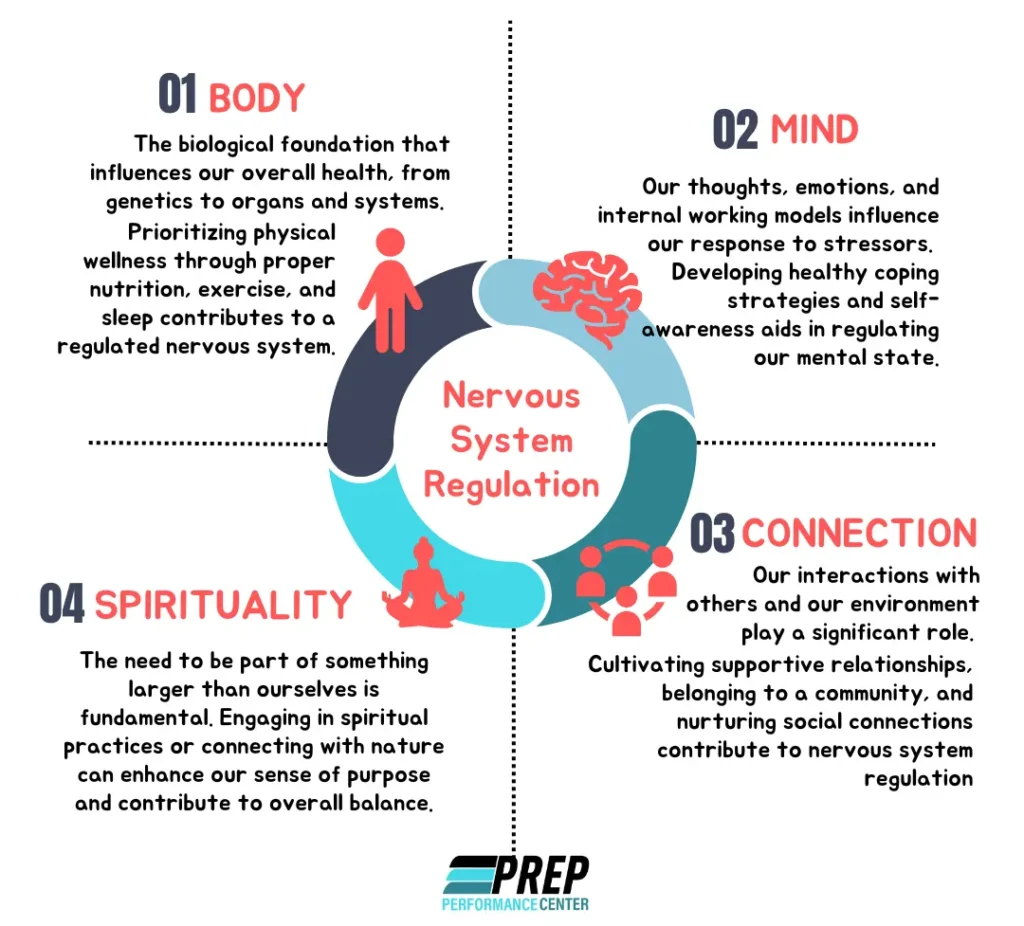
Conscious discipline builds regulation.
The difference matters.
A regulated nervous system can:
- Pause
- Reflect
- Choose
- Repair
A dysregulated nervous system can only:
- Fight
- Flee
- Freeze
- Fawn
Punishing dysregulation does not teach regulation.
It teaches fear, secrecy, and survival strategies.
And survival strategies, when repeated, become habits.
PART II: ADDICTION STARTS BEFORE THE SUBSTANCE
Addiction does not begin with drugs, alcohol, nicotine, sex, rage, work, control, or escape.
It begins when:
- Emotional expression is punished or ignored
- Anger is labeled dangerous instead of instructive
- Fear is met with shame instead of safety
- Children are required to behave before they are taught how to regulate
A nervous system denied guidance will find relief wherever it can.
The substance—or behavior—doesn’t matter.
The loop does.
PART III: WHAT What the Bleep Do We Know!? GOT RIGHT (AND WHERE IT WENT TOO FAR)
The 2004 film What the Bleep Do We Know!? was controversial for good reason. It blended valid neuroscience with speculative interpretations of quantum physics. It should never be treated as a scientific authority.
But dismissing it entirely would be equally irresponsible.
What the Film Got Right (Now Backed by Science)
1. Neuroplasticity is real
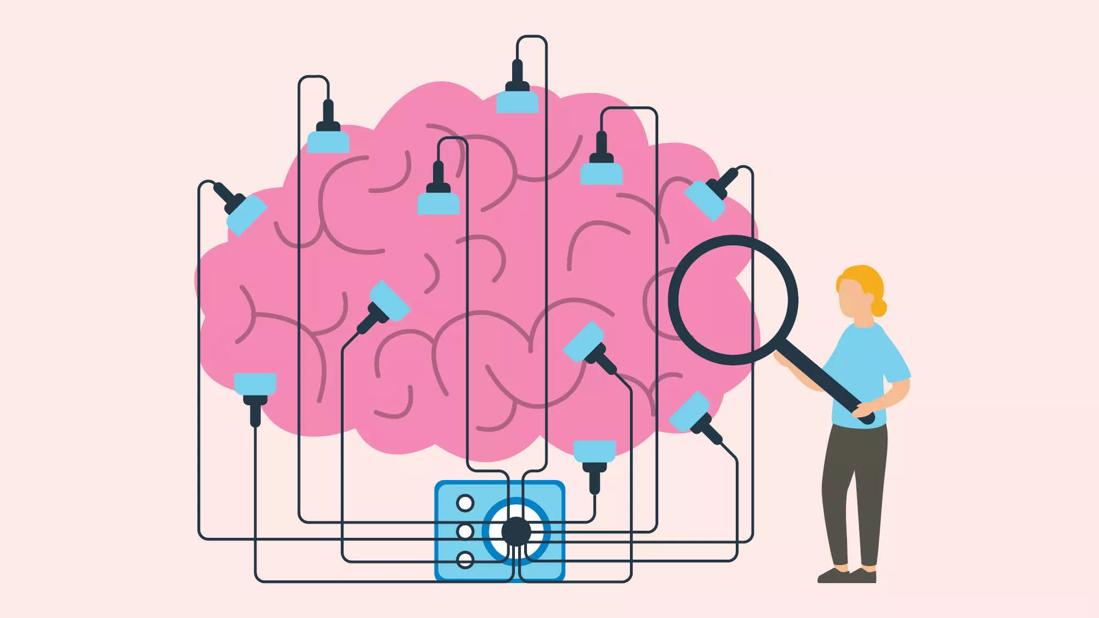
The brain changes based on repetition. Thoughts, emotions, and behaviors that are practiced become easier to repeat.
Addiction is not weakness.
It is a well-trained brain.
Healing is not denial.
It is retraining.
2. Emotions are chemical events
Emotions trigger neurochemical cascades. The body can become conditioned to:
- Stress
- Anger
- Adrenaline
- Relief
Yes—people can become “addicted” to emotional states.
This explains why:
- Anger becomes habitual
- Chaos feels familiar
- Calm feels unsafe to some
3. Habit loops run beneath conscious choice
Trigger → Emotion → Reaction → Reinforcement
Without awareness, the loop runs automatically.
With conscious discipline, the loop can be interrupted.
Where the Film Overreached (And We Correct It)
The film suggested that human consciousness alters physical reality at a quantum level. This is not scientifically supported and should not be taught as literal fact.
However, perception shaping behavior absolutely is supported.
What we believe about ourselves changes:
- Our stress response
- Our behavior
- Our capacity to change
That is psychology, not mysticism.
PART IV: SHAME IS THE FUEL OF ADDICTION
No factor accelerates addiction faster than shame.
Shame:
- Silences honesty
- Increases secrecy
- Triggers urgency
- Disconnects agency
Punitive systems mistake shame for accountability.
They are not the same.
Accountability says:
“You are responsible for your actions, and repair is required.”
Shame says:
“You are the problem.”
Conscious discipline removes shame without removing responsibility.
That distinction saves lives.
PART V: WHY SOME PEOPLE USE WITHOUT ADDICTION
This question exposes the lie at the center of addiction stigma.
If substances themselves caused addiction, everyone exposed would become addicted.
They don’t.
The difference lies in regulation capacity.
People less likely to develop addiction usually had:
- Emotional literacy modeled
- Safe adults
- Permission to feel
- Tools for calming themselves
- A sense of agency
Where conscious discipline existed, substances did not need to become survival tools.
PART VI: ANGER—THE MOST IGNORED ADDICTION
Anger deserves special mention.
Anger:
- Releases adrenaline
- Creates a temporary sense of power
- Numbs pain
- Reinforces itself when unchecked
When anger is punished instead of guided:
- It turns inward (depression, self-harm)
- It turns outward (violence, control)
- Or it gets medicated without understanding
Conscious discipline teaches:
Anger is a signal, not a weapon.
Ignoring this truth has cost families, communities, and entire systems more than we are willing to admit.
PART VII: ADULTS ARE BLAMED FOR WHAT THEY WERE NEVER TAUGHT
We discipline children poorly—
Then blame adults mercilessly.
We suppress expression—
Then demand self-control.
We punish dysregulation—
Then criminalize coping.
Conscious discipline answers honestly:
You were not taught how.
And now you can learn.
That is not weakness.
That is responsibility.
PART VIII: THE CORE TRUTH (THIS IS THE LINE)
Addiction is not the absence of discipline.
It is the result of discipline without consciousness.
And the solution is not harsher punishment.
The solution is:
- Awareness
- Regulation
- Accountability
- Repair
- Repetition of healthier patterns
That is how brains change.
That is how people heal.
That is how cycles end.
CONCLUSION: WHY THIS MATTERS IN 2026
We are standing at a moment where excuses are no longer acceptable—but cruelty is no longer defensible either.
Conscious discipline does not coddle.
It builds adults who can govern themselves.
Addiction does not require condemnation.
It requires understanding plus responsibility.
And agency—real agency—is not granted by authority.
It is taught.
DOES THIS HELP® FINAL WORD
If your system produces addiction, rage, secrecy, or collapse—
the people are not the failure.
The discipline is.
And we can do better.
Leave a Reply